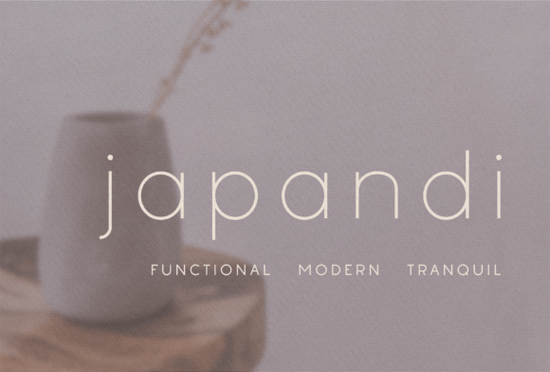
The Japandi Font is a minimalistic, lightweight sans-serif typeface designed with clean lines and a crisp aesthetic. Inspired by the popular Japandi interior design style a blend of Japanese simplicity and Scandinavian warmth this font works beautifully for a range of creative projects. Whether you're working on branding, social media graphics, wedding invitations, or print-on-demand designs, it offers the kind of understated elegance that feels both modern and timeless.
What makes the Japandi Font different from other minimal sans-serifs?
There are plenty of minimal sans-serif fonts out there, but the Japandi Font stands out because it was built around a specific design philosophy. The Japandi style is all about balance warm but clean, simple but not cold. This font reflects that balance in every letterform.
Unlike heavier display fonts that demand attention, Japandi works quietly in the background. It doesn't compete with your imagery or layout. Instead, it supports your overall design with a soft, refined presence. If you've ever struggled to find a typeface that feels modern without being sterile, this one fills that gap nicely.
For designers who also work with bolder typefaces, pairing Japandi with something more expressive from a collection of display and designer fonts can create a strong visual hierarchy in your work.
What projects is the Japandi Font best suited for?
This font was originally designed with interior design projects in mind think mood boards, presentation decks, and showroom materials. But its versatility goes well beyond that. Here are some popular uses:
- Branding and logos especially for lifestyle, wellness, or home décor brands
- Social media posts clean text overlays that don't overwhelm your visuals
- Wedding and event invitations soft, elegant, and easy to read
- Product packaging works well on minimalist labels and tags
- Print-on-demand designs subtle enough for apparel and home goods
- Website headers and UI elements modern and lightweight for digital screens
Because it's a lightweight sans-serif, it also pairs well with serif or script fonts for contrast. If you're looking for a complementary sans-serif with a slightly different personality, Sugar Magic Font is another option worth exploring for more playful projects.
Is the Japandi Font a good choice for print-on-demand sellers?
Yes, and here's why: print-on-demand designs often need fonts that are readable at small sizes, look good on both light and dark backgrounds, and don't feel overly trendy. The Japandi Font checks all three boxes.
Its clean geometry means it reproduces well on everything from t-shirts to tote bags to mugs. And because the Japandi aesthetic is still growing in popularity across home décor and fashion, using this style in your designs can give your products a fresh, on-trend feel without jumping on a passing fad.
You can find the full Japandi Font details on its product page to preview how it looks across different weights and applications.
How does Japandi compare to other trending minimal fonts?
Minimal fonts are having a moment, and for good reason. Clean typography tends to age better than heavily stylized alternatives. But not all minimal fonts are created equal. Some feel too generic like they could come from any default font library. Others sacrifice readability for the sake of looking "modern."
The Japandi Font sits in a sweet spot. It has enough personality to feel intentional, but it stays restrained enough to work across many contexts. It's the kind of typeface you can use on a business card and an Instagram story without it looking out of place on either.
You can Japandi Font on Creative Fabrica to see full previews and licensing details.
Does it work for both digital and print projects?
Absolutely. One common issue with lightweight fonts is that they can look too thin on screen or disappear when printed at smaller sizes. The Japandi Font was designed with both mediums in mind. Its letterforms are clean enough for high-resolution print but structured enough to hold up on digital displays, even at smaller sizes.
This makes it a practical choice if your work spans multiple formats say, designing a brand identity system that includes both a website and printed marketing materials.
Quick checklist before you use the Japandi Font
- Preview it at your target size lightweight fonts can look different depending on the scale
- Test it on both light and dark backgrounds make sure contrast is strong enough
- Pair it wisely combine with a bolder serif or script for visual contrast
- Check the license confirm the usage rights match your project (commercial, POD, etc.)
- Stay consistent use Japandi as part of a cohesive visual style, not just a one-off
Next step: Download the font, open your design tool, and test it in a real project layout. Seeing it in context is the best way to know if it fits your creative vision. Learn More
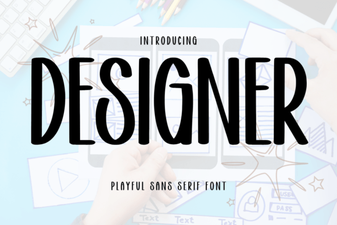 Designer Font: Elevate Your Creative Projects
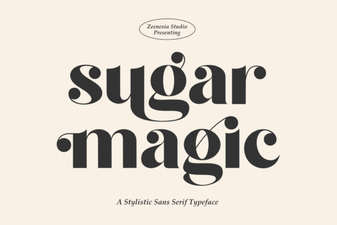 Sweeten Your Designs with Sugar Magic Font
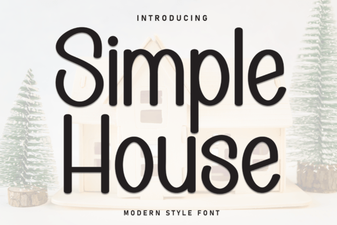 Simple House Font for Cozy and Minimal Design Projects
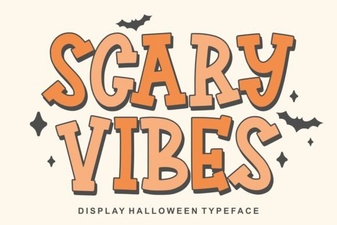 Creepy Typography for Dark Projects
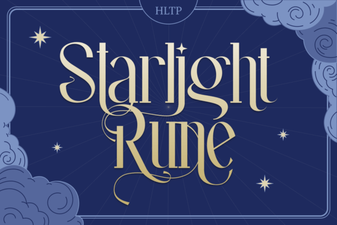 Starlight Rune Font for Mystical Design Projects
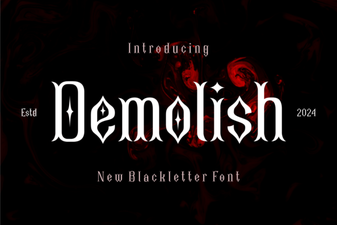 Demolish Font – Bold Blackletter Typeface for Impactful Designs